
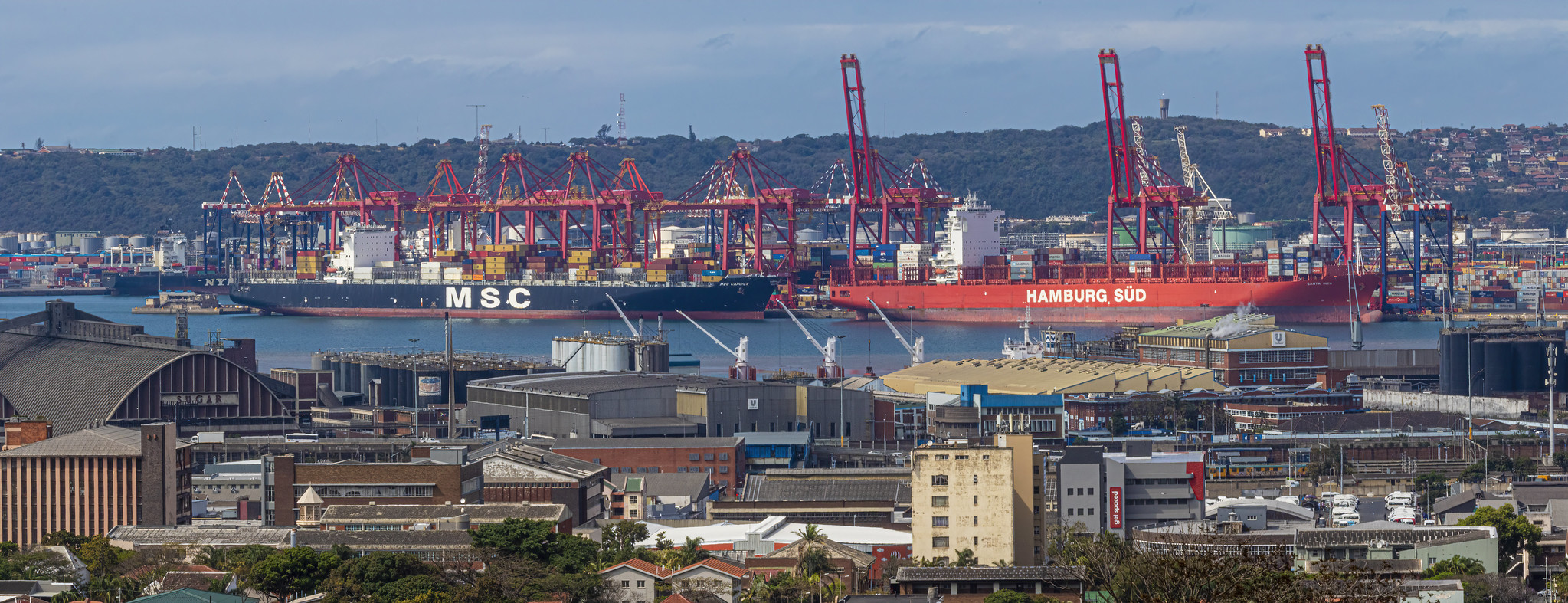
Import tariffs often appear to be a straightforward way for governments to protect domestic industries. By making foreign goods more expensive, tariffs are intended to encourage consumers to buy local products and support domestic producers. But the economic effects of tariffs are rarely that simple. In practice, they influence prices, trade flows and economic growth in complex ways—both for the country imposing them and for the countries affected by them.
What are tariffs?
Import tariffs, also known as duties, are taxes placed on goods entering a country from abroad. Their main purpose is to raise the price of imported products, making domestic alternatives more competitive.
Consider a simple example: if the United States places a tariff on European wine, the price of French or Italian wine in American shops increases. In theory, this encourages consumers to buy wine produced in the United States instead. While the logic seems clear, the real-world consequences often extend far beyond this simple substitution.
When costs rise
Tariffs typically increase costs throughout the economy. Importers must pay the tariff when goods enter the country, and businesses often pass at least part of these additional costs on to consumers in the form of higher prices.
Modern production systems make the effects even more widespread. Many goods are produced through global supply chains, with components crossing multiple borders before the final product reaches consumers. When tariffs are imposed on intermediate goods—such as parts used in manufacturing—the cost of production rises and efficiency can decline. Lower productivity and higher costs can ultimately slow economic growth.
Tariffs can also create uncertainty. Sudden changes in trade policy make it harder for companies to predict future costs and demand. As a result, businesses may delay investments, postpone hiring or rethink expansion plans, which can further weaken economic activity in the short term.
Consequences for trading partners
Countries targeted by tariffs feel the effects quickly. When higher prices reduce demand for their exports, companies in those countries face falling revenues. Lower sales can translate into reduced production, declining profits and job losses in industries that depend on international trade.
Exporters sometimes try to absorb part of the tariff themselves by limiting price increases to maintain their market share. However, doing so squeezes profit margins and can force firms to postpone investments or cost-cutting measures. Over time, this can affect the broader economy, as weaker corporate activity reduces income, spending and employment.
The reality is more complex
Despite these theoretical effects, tariffs rarely play out exactly as expected. Businesses and markets adapt. Companies may build up inventories before tariffs take effect to delay cost increases, or they may shift suppliers and production to countries with lower trade barriers.
Global trade flows can also change. If tariffs differ across countries, firms may redirect exports to alternative markets or reorganize supply chains to avoid the highest duties. These adjustments can soften or redistribute the economic impact of tariffs.
Prices, exchange rates and inflation
The effect of tariffs on inflation is often ambiguous. On the one hand, higher import costs and supply chain disruptions can push prices upward. On the other hand, exchange rate movements and shifting trade patterns can offset these pressures.
For example, a stronger currency makes imports cheaper, which can counteract some tariff-driven price increases. Meanwhile, countries facing particularly high tariffs in one market may redirect exports elsewhere, increasing supply and potentially lowering prices in those alternative markets. The net effect on inflation therefore depends on a combination of trade dynamics, exchange rates and corporate pricing decisions.
Implications for policymakers
For central banks, tariffs present a difficult challenge. Tariffs can cause a temporary rise in prices, but such increases are often one-off shocks rather than persistent inflation. Responding immediately by raising interest rates could unnecessarily slow an already weakening economy.
However, if tariffs become part of prolonged geopolitical tensions and lead to structurally higher costs, inflation may become more persistent. In that case, central banks may need to act to prevent long-term inflation expectations from rising.
Ultimately, the uncertainty created by shifting trade policies means policymakers must remain flexible—carefully monitoring economic developments and adjusting their responses as new data emerge.
References
DeNederlandscheBank. (2026, March 05). What do tariffs mean for the economy? Impact of import tariffs on prices, trade and growth. Retrieved from DeNederlandscheBank: https://www.dnb.nl/en/general-news/background-2026/what-do-tariffs-mean-for-the-economy-impact-of-import-tariffs-on-prices-trade-and-growth/
Photo: https://groundup.org.za/media/uploads/images/Third%20Party/52053114584_507fbf2ade_k.jpg